

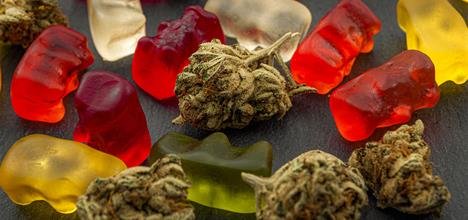
Navigating the UK Market: Your Guide on how to Buy Cannabis Edibles in the UK
Did you know that the UK’s approach to cannabis edibles is complex and often misunderstood? While recreational cannabis remains illegal, the landscape for cannabis-derived products is evolving. This article aims to shed light on how you might approach buying cannabis edibles for sale in the UK, focusing on legal avenues, understanding risks, and making informed decisions. I’ll share insights from my own research and reputable sources to help you navigate this often-murky territory. Here on Buy Magic Shrooms Store UK, we also offer the opportunity for you to buy quality cannabis edibles for sale online in the UK.
Understanding the Legal Landscape of Cannabis Edibles in the UK
The core issue when discussing cannabis edibles in the UK is legality. Recreational cannabis, whether smoked, vaped, or consumed as an edible, is illegal under the Misuse of Drugs Act 1971. Possession, supply, and production can lead to severe penalties, including hefty fines and imprisonment.
However, Buy Magic Shrooms Store is your place-to-go if you are in need of medical grade cannabis products in the UK. We offer quite a variety of cannabis products ranging from smoke, joints, edibles, concentrate, gummies and oil.
However, the situation becomes more nuanced when we consider cannabis-derived products that contain cannabidiol (CBD). CBD is a non-psychoactive compound found in cannabis plants. Unlike tetrahydrocannabinol (THC), the primary psychoactive component, CBD does not produce a ‘high’.
CBD Edibles: The Legal Alternative
CBD edibles are widely available in the UK and are legal, provided they meet specific criteria:
- THC Content: They must contain less than 0.2% THC by dry weight.
- Source: The CBD must be derived from industrial hemp, a variety of cannabis legally cultivated for its fibre and seeds.
These products can include CBD gummies, CBD chocolates, and other CBD-infused treats. Their legality stems from the fact that they do not contain psychoactive levels of THC and are not considered controlled substances.
Prescription Cannabis Products
There’s a separate category for medicinal cannabis. In specific circumstances, doctors registered with the General Medical Council (GMC) can prescribe cannabis-based medicines for certain conditions, such as chronic pain, epilepsy, and multiple sclerosis. These prescriptions are typically for cannabis oils or tinctures, though edible forms might be available under strict medical supervision. Obtaining these requires a specialist’s assessment and a valid prescription.
Where to Find Cannabis Edibles for Sale in the UK
Given the legal distinctions, “cannabis edibles for sale” in the UK generally refers to CBD-infused products. Here’s where you can typically find them:
Online Retailers
The internet is a primary marketplace for CBD edibles. Numerous online stores specialize in CBD products, offering a wide variety of edibles. When purchasing online, it’s crucial to:
- Check for Third-Party Lab Reports: Reputable sellers will provide Certificates of Analysis (CoAs) from independent laboratories. These reports verify the CBD and THC content, ensuring the product is compliant with UK law.
- Read Reviews: Customer feedback can offer insights into product quality and seller reliability.
- Verify Source: Look for information about where the CBD is sourced and how the product is manufactured.
Some online platforms offer a wide range of CBD products, including those that might be of interest to those seeking a different kind of edible experience. For a selection of such products, you can explore buy magic shrooms UK shop.
High Street Shops
Many health food stores, specialty CBD shops, and even some pharmacies now stock CBD edibles. This offers a tangible way to browse products and speak to staff, though their product knowledge can vary.
Specialist Dispensaries (Limited Scope)
For legally prescribed medicinal cannabis products, you would interact with specialist pharmacies or directly through your healthcare provider. These are not accessible to the general public for recreational purchase.
Message us now to buy cannabis edibles for sale in the UK.
What to Look For if You wish to Buy Cannabis Edibles
Making an informed purchase, especially with products derived from cannabis, is paramount. Here’s what I always consider:
1. Third-Party Lab Testing (CoAs)
This is non-negotiable. A Certificate of Analysis (CoA) is a document issued by an independent laboratory that tests a product’s chemical composition. For CBD edibles, it should confirm:
- CBD Potency: The actual amount of CBD present.
- THC Levels: Confirmation that THC is below the legal limit of 0.2%.
- Absence of Contaminants: Testing for pesticides, heavy metals, mould, and solvents.
Without a CoA, you’re essentially buying blind, risking both the legality and safety of your purchase. You can often find these reports on the seller’s website or by scanning a QR code on the product packaging.
2. Source of CBD
Look for products made with full-spectrum CBD, broad-spectrum CBD, or CBD isolate. Each has different properties:
- Full-Spectrum CBD: Contains CBD along with other cannabinoids (including trace amounts of THC up to 0.2%), terpenes, and flavonoids from the hemp plant. This offers the ‘entourage effect’, where compounds work synergistically.
- Broad-Spectrum CBD: Similar to full-spectrum but with THC removed. It still contains other cannabinoids and terpenes.
- CBD Isolate: Pure CBD, with all other plant compounds removed. It’s the simplest form and contains no THC.
The source of the hemp itself is also important. Hemp grown in regulated environments (like the EU or the UK) is generally subject to stricter quality controls.
3. Ingredients and Manufacturing Process
For edibles, the quality of the ingredients matters. Are they made with natural flavourings and sweeteners? What is the base ingredient (e.g., high-quality chocolate, natural fruit pectin for gummies)?
Understanding the manufacturing process can also provide peace of mind. Look for brands that emphasize Good Manufacturing Practices (GMP), which ensures products are consistently produced and controlled according to quality standards.
4. Brand Reputation and Transparency
Established brands with a good track record are generally safer bets. Look for companies that are transparent about their sourcing, manufacturing, and testing processes. Read reviews, check their social media presence, and see if they have a clear contact policy for customer inquiries.
Risks Associated with Buying Unregulated Cannabis Edibles
While CBD edibles are legal, the market can still be a minefield. The primary risks often stem from unregulated or mislabeled products, particularly if one is seeking something beyond compliant CBD.
1. Mislabelling and Incorrect Potency
Products might contain significantly more or less CBD than stated on the label. Worse, they could contain higher levels of THC than legally permitted, potentially leading to unintended psychoactive effects and legal trouble.
2. Contaminants
Unregulated products may not be tested for harmful contaminants like:
- Pesticides: Used in cultivation, these can be toxic.
- Heavy Metals: Absorbed from the soil.
- Mould and Bacteria: From improper storage or processing.
- Harmful Solvents: Used in extraction processes.
Ingesting these can have serious health consequences.
3. Unpredictable Effects
Without accurate labelling and quality control, the effects of consuming an unregulated edible can be unpredictable. You might not get the intended benefits, or you could experience unwanted side effects.
4. Legal Ramifications
Possessing or consuming cannabis products with THC levels exceeding the legal limit in the UK is illegal. This can result in arrest, prosecution, and a criminal record.
Alternatives to Traditional Cannabis Edibles in the UK
If you’re looking for the experience or potential benefits associated with cannabis edibles but want to stay within legal boundaries, here are some avenues:
1. High-Quality CBD Edibles
As discussed, legal CBD edibles are abundant. They offer a way to consume cannabinoids without the psychoactive effects of THC. Many users report benefits like relaxation, improved sleep, and pain management from CBD.
2. Mushroom-Based Products
For those interested in exploring alternative wellness products, psilocybin-containing mushrooms (often referred to as ‘magic mushrooms’) are a topic of growing interest. While possession and sale of psilocybin are illegal in the UK, there’s a burgeoning market for legally available mushroom-based products that do not contain psilocybin. These might include products derived from functional mushrooms like Lion’s Mane or Reishi, known for their potential nootropic and adaptogenic properties. Some online retailers offer a variety of these products, which you can explore at buy magic shrooms UK shop.
3. Legal Highs and Research Chemicals (Use with Extreme Caution)
This category is highly risky and often legally ambiguous. ‘Legal highs’ are substances designed to mimic the effects of illegal drugs but are synthesized to avoid existing legislation. These products are often untested, unregulated, and their effects can be dangerous and unpredictable. Their legal status can change rapidly, and purchasing them carries significant health and legal risks. I strongly advise against exploring this route due to the inherent dangers.
Expert Insights and Statistics
The market for cannabis-derived products, particularly CBD, has seen significant growth. According to the Centre for Medical Cannabis (CMC), the UK CBD market was valued at approximately £690 million in 2022, with projections indicating continued expansion. This growth highlights consumer interest but also underscores the need for robust regulation and consumer education.
Dr. Anne van der Zanden, a pharmacologist specializing in cannabinoids, notes, “Consumers need to be vigilant. The lack of stringent, unified regulation across the entire CBD market means that product quality can vary dramatically. Always prioritize products with verifiable third-party testing.”
Statistics from Public Health England indicate that while cannabis use disorder is a concern, the focus for regulated products is on harm reduction and ensuring product safety. For medicinal cannabis, the National Institute for Health and Care Excellence (NICE) provides guidelines, emphasizing evidence-based treatments and patient safety.
Frequently Asked Questions (FAQs)
Q1: Are cannabis edibles legal to buy in the UK?
A1: Recreational cannabis edibles containing THC are illegal in the UK. However, CBD edibles with less than 0.2% THC are legal and widely available.
Q2: Where can I buy legal cannabis edibles in the UK?
A2: You can buy legal CBD edibles from reputable online retailers, health food stores, and specialty CBD shops. Always check for third-party lab reports.
Q3: What are the risks of buying unregulated cannabis edibles?
A3: Risks include mislabelling, incorrect potency, presence of harmful contaminants (pesticides, heavy metals), unpredictable effects, and potential legal consequences if THC levels are too high.
Q4: How can I ensure the quality of cannabis edibles I buy?
A4: Look for products that come with a Certificate of Analysis (CoA) from an independent lab, verify the source of the CBD, check brand reputation, and read customer reviews.
Q5: Can I get a prescription for cannabis edibles in the UK?
A5: Yes, it’s possible to get a prescription for medicinal cannabis from a specialist doctor for specific medical conditions. These are typically oils or tinctures, but edible forms may exist under strict medical guidance.
Q6: What is the difference between CBD and THC in edibles?
A6: THC is psychoactive and causes a ‘high’. CBD is non-psychoactive. Legal edibles in the UK must contain very low levels of THC (under 0.2%).
Conclusion
Navigating the world of cannabis edibles in the UK requires a clear understanding of the law. While traditional, THC-rich cannabis edibles remain illegal, the market for legal CBD edibles offers a safe and compliant alternative. My advice is to prioritize quality, transparency, and legality. Always seek out products with verifiable lab reports, understand the source of the ingredients, and be wary of unregulated products that could pose health or legal risks. By staying informed and making cautious choices, you can explore the potential benefits of cannabis-derived products responsibly within the UK’s legal framework.
Buy high grade cannabis edibles for sale in the UK.
—
Some important Sources to refer to:
- Misuse of Drugs Act 1971. legislation.gov.uk
- Centre for Medical Cannabis (CMC) Reports. cmcuk.org
- National Institute for Health and Care Excellence (NICE) Guidelines. nice.org.uk
- Public Health England Reports. gov.uk/government/organisations/public-health-england

